

How Much Does a Subaru Forester Weigh - Complete Guide
Ever wondered if your SUV's weight affects its performance on weekend mountain adventures? The answer might surprise you. At Della Subaru in Plattsburgh, New York, we believe understanding vehicle specs helps you make smarter choices. The Forester is a top choice among compact SUVs. It balances rugged capability with everyday practicality. Since its 1997 debut, it has evolved a lot, with each update changing its dimensions and specs. Weight is key in fuel efficiency, handling, and driving experience. Whether you're looking at different model years or towing capacity, these numbers count. We invite you to check our wide inventory to find the perfect SUV for your lifestyle. In this guide, we'll dive into the Forester's specs by generation. You'll see how these measurements affect performance and why they're important for your next car. Ready to find your ideal SUV? Visit our showroom at Della Subaru today!
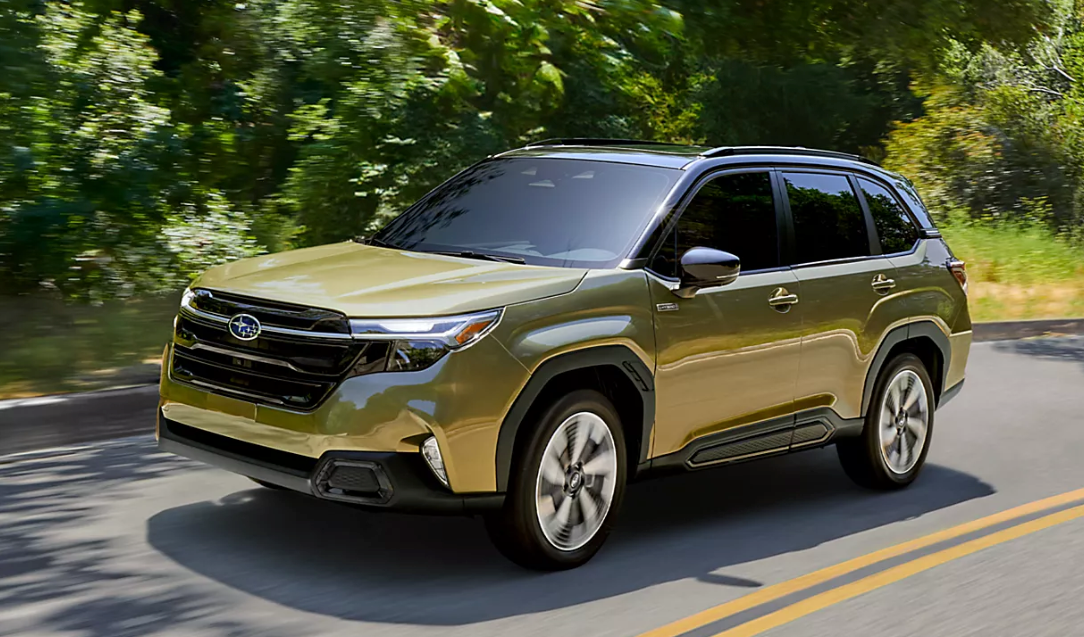
How Much Does a Subaru Forester Weigh Across Different Generations
The Subaru Forester has seen changes in weight over its five generations. These changes are due to new safety features, technology, and stronger structures. At Della Subaru in Plattsburgh, we've noticed how these changes affect the Forester's performance and appeal.
First and Second Generation Forester Weight (1998-2008)
The first Forester weighed about 3,153 pounds. The second generation, starting in 2002, was lighter, at 2,910 pounds for the 2.0L model. The 2.5L turbo version was heavier, at 3,250 pounds.
These early models made the Forester a lightweight yet capable SUV.
Third Generation Forester Weight (2009-2013)
The third generation Forester was slightly heavier, averaging 3,250 pounds. This increase was due to better safety features and a stronger structure. Despite being heavier, this generation was still fuel-efficient and had more space inside.
The extra weight made the Forester more stable and noticeable on the road.
Fourth Generation Forester Weight (2014-2018)
The fourth generation Forester saw further refinement in weight. Base models weighed between 3,300-3,400 pounds, with higher trims reaching 3,500 pounds. This generation used a new global platform with more high-strength steel.
This led to better handling and a slight weight increase, showing Subaru's engineering skills.
Fifth Generation Forester Weight (2019-Present)
The current Forester is the most advanced Subaru SUV. Its weight varies by trim, from about 3,449 pounds for the base model to 3,539 pounds for the Touring trim. This range reflects the added luxury and tech in the premium models.
Despite being the heaviest, the Forester still has impressive fuel economy thanks to its advanced engineering and Boxer engine.
| Generation | Years | Base Model Weight | Top Trim Weight | Weight Change |
|---|---|---|---|---|
| First (SF) | 1998-2002 | 3,153 lbs | 3,153 lbs | Baseline |
| Second (SG) | 2003-2008 | 2,910 lbs | 3,250 lbs | -243 to +97 lbs |
| Third (SH) | 2009-2013 | 3,250 lbs | 3,300 lbs | +340 to +147 lbs |
| Fourth | 2014-2018 | 3,300 lbs | 3,500 lbs | +50 to +200 lbs |
| Fifth | 2019-Present | 3,449 lbs | 3,539 lbs | +149 to +39 lbs |
Understanding Subaru Forester Weight Terminology
The weight of your Subaru Forester is key to its performance. It affects everything from fuel use to how it handles. Knowing the weight terms helps you understand its capabilities and how it compares to other SUVs.
Curb Weight vs. Gross Vehicle Weight Rating (GVWR)
Curb weight is your Forester's weight with standard equipment, fluids, and a full tank. It doesn't include passengers or cargo. It usually ranges from 3,300 to 3,600 pounds, depending on the model and trim.
The GVWR shows the maximum weight your Forester can handle. This includes the vehicle, passengers, cargo, and accessories. It's between 4,800 and 5,000 pounds, showing your vehicle's safe weight limit.
Impact of Weight on Fuel Economy and Performance
Vehicle weight affects how your Forester drives. Lighter vehicles accelerate faster and handle better. Heavier ones are more stable at high speeds.
Lighter vehicles also use less fuel. But Subaru has made the Forester efficient without sacrificing performance. This balance is thanks to its weight-to-power ratio.
At Della Subaru in Plattsburgh, check out our Forester models. See how these weights affect real driving.
Weight Distribution and Subaru's Symmetrical AWD System
The Forester's weight distribution is key to its handling. Subaru's team has balanced the weight for better stability and control.
This balance works well with Subaru's Symmetrical All-Wheel Drive system. The AWD adds some weight, but it's worth it for better traction and stability. This makes the Forester great for all kinds of terrain.
The result is a capable SUV that handles well on different surfaces. It gives Subaru owners the performance they expect.
Subaru Forester Dimensions and Capacity Specifications
The Subaru Forester's dimensions and capacity show how Subaru engineers made it useful and easy to handle. It's great for city driving and outdoor fun. Knowing these specs helps you see if it fits your life.
The Forester's size and weight make it perform well and be useful. Let's look at the key measurements and capacities that make this SUV popular.
Exterior and Interior Dimensions
The Subaru Forester has kept a similar size over the years but has more room inside. The fifth-generation model has a 105.1-inch wheelbase for stability and space. It's 182.1 inches long, 71.5 inches wide, and 68.1 inches tall.
Inside, it has plenty of headroom (41.2 inches front/39.6 inches rear) and legroom (43.3 inches front/39.4 inches rear). This makes it comfortable for passengers and easy to park in the city.
Cargo Space and Payload Capacity
The Forester is great for carrying stuff, with 31.1 cubic feet behind the seats and 76.1 cubic feet with the seats down. This is more than earlier models.
It can carry 1,200 to 1,300 pounds of passengers and cargo, depending on the trim. This lets owners carry heavy stuff for camping or projects without hurting the car's performance.
The low cargo floor and wide rear gate make loading and unloading easy. This adds to the Forester's usefulness.
Towing Capacity by Model Year
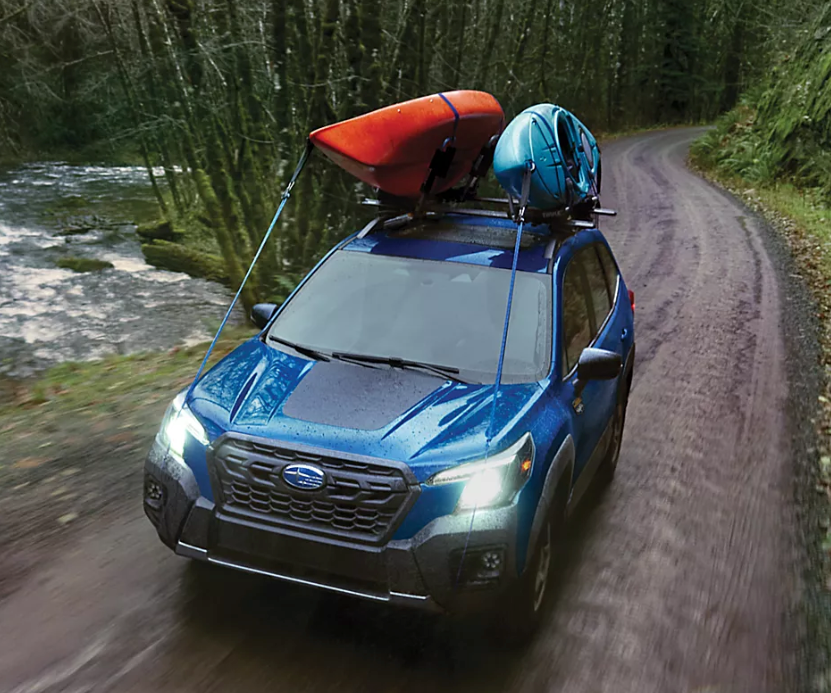
The Subaru Forester can tow a lot, but it depends on the year and setup. It's good for small trailers or canoes, but not for heavy loads.
Standard Towing Capacity
Most Foresters can tow 1,500 pounds. This is enough for small trailers or camping gear without extra work.
Enhanced Towing Package Options
For more towing power, Subaru has special packages. These can raise the towing capacity to 2,000-3,000 pounds. They include coolers, wiring, and hitches for safer towing.
Choosing Your Ideal Subaru Forester at Della Subaru
Now you know how much the Subaru Forester weighs across different models. This knowledge helps you choose the right one. The Forester's weight makes it great for handling, fuel efficiency, and safety.
At Della Subaru in Plattsburgh, New York, we're here to help. We'll show you how the Forester's weight impacts your drive. You'll learn about the new and used Foresters we have.
Looking for a lighter model or something with more features? We've got you covered. The Forester's weight and Symmetrical All-Wheel Drive give you confidence in any weather.
Stop by to test drive a Forester and see the difference for yourself. Check out our online inventory or call us to set up a consultation at Della Subaru.
FAQ
What is the GVWR of a Subaru Forester?
What is the payload capacity of a Subaru Forester?
How much can a Subaru Forester tow?
How does Subaru's weight distribution affect handling?
Has the Forester's cargo capacity changed with its weight increases?